
Table of Contents
ToggleTable of Contents
Understanding Luxury Soap: Definition and Market Positioning
Luxury soap represents the pinnacle of cleansing products, distinguished by premium ingredients, artisanal craftsmanship, and superior performance. Unlike mass-market alternatives, luxury soaps prioritize quality over quantity, often featuring rare botanical extracts, essential oils, and time-honored manufacturing processes.
Key Distinctions in the Premium Soap Market
Premium vs. Luxury: Premium soaps offer enhanced quality at moderate price points, while luxury soaps command higher prices through exclusivity, heritage branding, and exceptional ingredients.
Organic luxury soap bar products emphasize certified organic ingredients, appealing to health-conscious consumers seeking chemical-free alternatives. These products typically feature USDA Organic, COSMOS, or Ecocert certifications.
Artisanal vs. Industrial: Handmade luxury soap gift set collections showcase traditional cold-process methods, where skilled artisans carefully blend oils, botanicals, and fragrances in small batches, ensuring unique characteristics and superior quality.
Fragrance vs. Function: While aromatic soaps focus primarily on scent experience, functional luxury soaps incorporate active ingredients like hyaluronic acid, ceramides, or plant-based retinol alternatives for targeted skincare benefits.
Global Market Overview: Size, Growth, and Regional Opportunities
The global luxury soap market has experienced robust growth, valued at approximately $2.8 billion in 2023 and projected to reach $4.2 billion by 2030, representing a compound annual growth rate (CAGR) of 5.8%.
Regional Market Dynamics
North America (35% market share): Led by premiumization trends and growing organic product demand. The sustainable luxury soap refill segment shows particular strength, with 23% year-over-year growth in refillable packaging adoption.
Europe (28% market share): Driven by sustainability mandates and artisanal soap traditions. France and Italy dominate the luxury fragrance soap category, while Scandinavian markets lead in organic certifications.
Asia-Pacific (25% market share): Fastest-growing region with 8.2% CAGR, fueled by rising disposable incomes and increasing awareness of premium personal care products.
Emerging Markets (12% market share): Latin America and Middle East show strong potential, particularly in luxury hotel amenities and gift packaging segments.
Growth Drivers and Market Trends
- Sustainability Focus: 67% of consumers prioritize eco-friendly packaging
- Wellness Integration: Growing demand for aromatherapy and stress-relief properties
- Customization: Personalized formulations and bespoke fragrance profiles
- Gifting Culture: Luxury soap sets as premium gift options growing 15% annually
Premium Ingredients and Formulation Systems
Natural Oil Base Systems
Coconut Oil (25-35%): Provides rich lather and cleansing properties while maintaining skin moisture balance.
Olive Oil (20-30%): Offers deep moisturization and antioxidant benefits, particularly valued in Mediterranean formulations.
Shea Butter (10-15%): Delivers intensive nourishment and healing properties, essential for dry skin formulations.
Castor Oil (5-10%): Enhances foam stability and adds conditioning properties.
Fragrance and Essential Oil Complexes
Top Notes: Citrus oils (bergamot, lemon, grapefruit) provide immediate fresh impact Heart Notes: Floral essences (rose, jasmine, lavender) create sophisticated middle compositions Base Notes: Woody and musky elements (sandalwood, patchouli, amber) ensure lasting fragrance
Functional Active Ingredients
Botanical Extracts: Chamomile for soothing, green tea for antioxidants, aloe vera for healing Marine Ingredients: Sea salt for exfoliation, seaweed extracts for mineral content Clay Systems: French green clay for purification, kaolin for gentle cleansing
Sensitive Skin Formulations
Hypoallergenic formulations eliminate common irritants like sulfates, parabens, and synthetic fragrances. Key ingredients include:
- Colloidal oatmeal for gentle exfoliation
- Calendula extract for anti-inflammatory properties
- Minimal essential oil concentrations (<1%)
Product Categories and Formats
Aromatic Soap Collections
Signature Fragrance Lines: Branded scent families that create cohesive product ecosystems Seasonal Collections: Limited editions featuring holiday spices, summer florals, or autumn woods Unisex Options: Balanced compositions appealing to diverse consumer preferences
Skincare-Focused Varieties
Anti-Aging Formulations: Incorporating peptides, vitamin E, and botanical retinol alternatives Moisturizing Bars: High glycerin content with added ceramides and hyaluronic acid Clarifying Options: Salicylic acid and tea tree oil for acne-prone skin
Organic and Natural Categories
Certified organic products must contain minimum 95% organic ingredients, with remaining 5% from approved natural sources. Popular certifications include USDA Organic, NATRUE, and Soil Association.
Artisanal and Cold-Process Varieties
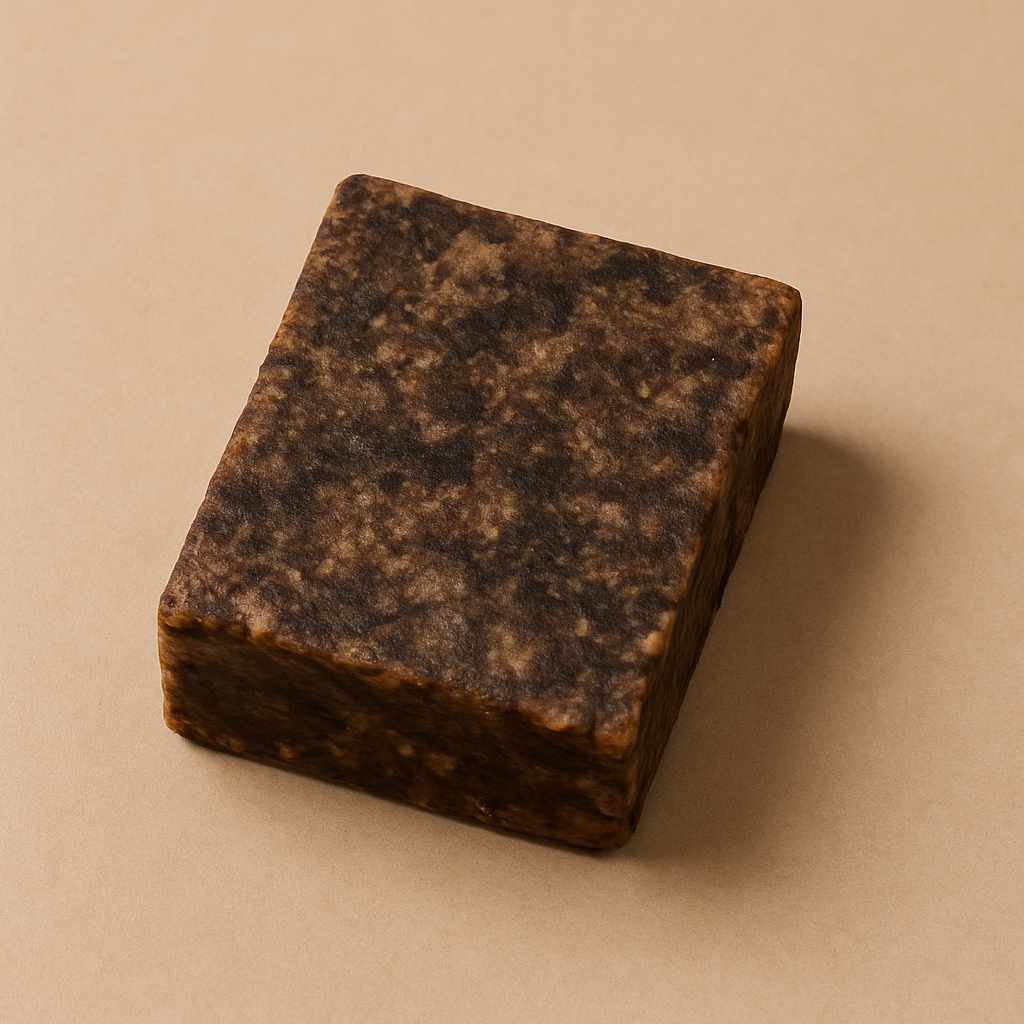
Traditional Methods: 4-6 week curing process develops mild, long-lasting bars Unique Characteristics: Marbled patterns, embedded botanicals, and artisanal imperfections Limited Batches: Exclusivity through small-scale production
Refill and Sustainability Systems
Sustainable luxury soap refill systems reduce packaging waste by 75% compared to traditional packaging. Options include:
- Concentrated soap blocks for dilution
- Refillable dispensers with bulk soap inserts
- Compostable packaging materials
- Return programs for container reuse
Target Demographics and Usage Scenarios
Sensitive Skin Consumers
This growing segment (estimated 40% of adults) requires fragrance-free or low-allergen formulations. Key considerations include:
- Minimal ingredient lists
- Dermatologist testing and approval
- pH balance between 5.5-7.0
- No sulfates, parabens, or synthetic colors
Pregnancy and Pediatric Considerations
Regulatory Compliance: European Cosmetics Regulation (EC) 1223/2009 and FDA guidelines restrict certain essential oils during pregnancy:
- Avoid: Sage, rosemary, and thyme oils
- Preferred: Chamomile, lavender (low concentration), and unscented options
- Pediatric formulations: Tear-free, extra-mild surfactants
Men’s Grooming Segment
Growing 12% annually, this category features:
- Masculine fragrance profiles (woods, spices, citrus)
- Multi-purpose formulations (body and face)
- Sleek, minimalist packaging design
- Performance claims (energizing, cooling, exfoliating)
Corporate and Hospitality Markets
Hotel Amenities: Premium properties increasingly offer artisanal soap selections Corporate Gifts: Handmade luxury soap gift set options for client appreciation and employee recognition Spa and Wellness: Professional-grade formulations for treatment facilities
Selection Guide: Making Informed Choices
Ingredient Analysis
Reading Labels: Ingredients listed by concentration (highest to lowest) Red Flags: Sulfates (SLS/SLES), parabens, synthetic fragrances, artificial colors Green Flags: Plant-based oils, essential oils, natural colorants, minimal ingredients
Certification Recognition
USDA Organic: Minimum 95% organic ingredients COSMOS: European standard for natural/organic cosmetics Leaping Bunny: Cruelty-free certification Fair Trade: Ethical ingredient sourcing
Skin Type Matching
Dry Skin: High glycerin content, shea butter, minimal sulfates Oily/Acne-Prone: Clay-based formulations, tea tree oil, salicylic acid Sensitive: Fragrance-free, minimal ingredients, dermatologist-tested Mature: Anti-aging actives, moisturizing oils, gentle exfoliation
Fragrance Wheel Navigation
Understanding scent families helps in selection:
- Fresh: Citrus, marine, green notes
- Floral: Rose, jasmine, lily, peony
- Oriental: Vanilla, amber, spices
- Woody: Sandalwood, cedar, patchouli
Sustainable Packaging Assessment
Eco-Friendly Options:
- Recyclable cardboard packaging
- Biodegradable wrapping materials
- Refillable container systems
- Minimal packaging design
- Local sourcing to reduce transport impact
Usage and Storage Best Practices
Optimal Application Techniques
Preparation: Wet hands and soap with warm (not hot) water to preserve natural oils
Lathering Methods:
- Direct Application: Rub soap between palms for 15-20 seconds
- Soap Net Usage: Place bar in mesh bag for enhanced foam generation
- Washcloth Method: Work soap into cloth for gentle exfoliation
Application: Massage lather in circular motions, avoiding harsh scrubbing that can damage skin barrier
Storage and Preservation
Drainage Systems: Proper soap dish design prevents water pooling:
- Slatted wooden dishes allow air circulation
- Ceramic dishes with drainage holes
- Magnetic soap holders for modern bathrooms
Humidity Control: Store in well-ventilated areas to prevent softening and bacterial growth
Travel Considerations: Use ventilated soap containers to prevent moisture buildup during transport
Refill System Management
Sustainable luxury soap refill systems require proper handling:
Installation Process:
- Remove empty cartridge from dispenser base
- Clean dispenser interior with mild soap solution
- Insert new refill cartridge, ensuring proper sealing
- Test pump mechanism for smooth operation
- Label with installation date for rotation tracking
Maintenance Schedule:
- Weekly: Clean dispenser exterior and pump mechanism
- Monthly: Deep clean interior components
- Quarterly: Replace worn sealing components
Portioning and Travel Preparation
Size Reduction: Cut large bars into travel-appropriate portions using clean, sharp knife
Travel Packaging:
- Perforated soap boxes for ventilation
- Silicone travel cases (dishwasher-safe)
- Traditional soap savers with secure closures
Airport Compliance: Liquid soap alternatives must comply with 3-1-1 rule; solid bars have no restrictions
Market Outlook and Future Trends
The luxury soap market continues evolving toward greater sustainability, customization, and wellness integration. Sustainable luxury soap refill systems represent the fastest-growing segment, while organic luxury soap bar products maintain premium positioning through certified ingredient sourcing. Handmade luxury soap gift set collections capitalize on experiential gifting trends, particularly in post-pandemic recovery periods.
Key innovation areas include probiotics for skin microbiome support, waterless formulations for sustainability, and AI-driven personalization for custom fragrance and ingredient profiles. As consumers become increasingly ingredient-conscious and environmentally aware, the luxury soap category is well-positioned for continued growth and premiumization.

