
Table of Contents
ToggleTable of Contents
What is Black Soap? Understanding Two Distinct Traditions
African Black Soap (West African Heritage)
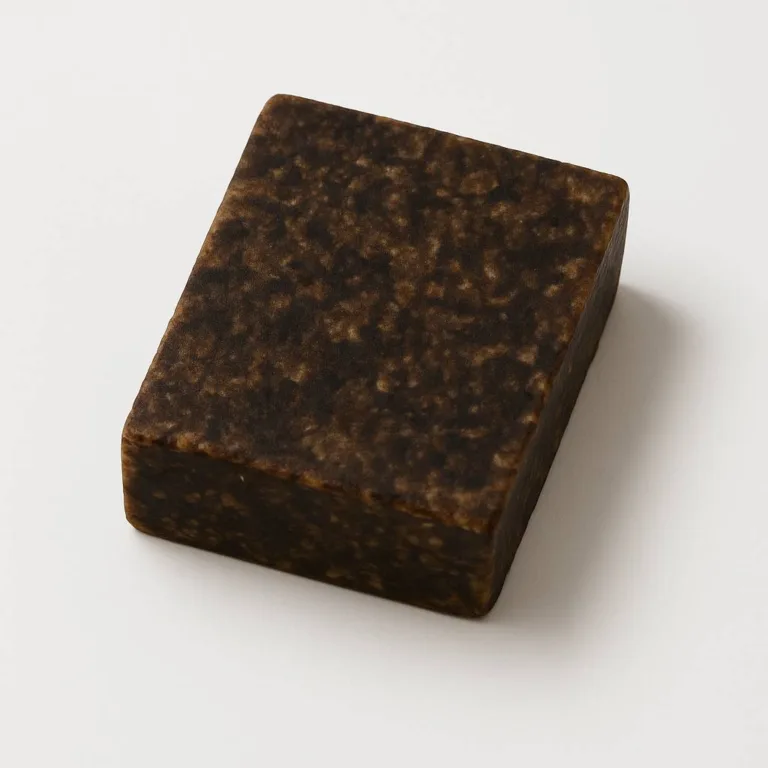
African black soap, originating from West Africa, represents centuries of traditional soap-making wisdom. Most African black soaps contain one or more of these ingredients: Cocoa pod ash, cocoa powder or cocoa butter. Coconut oil. Palm kernel oil and palm oil. This handcrafted soap gets its characteristic dark brown to black color from cocoa pod ash and plantain peels that are burned and processed into lye.
Key characteristics of authentic African black soap:
-
Color: Ranges from brown to dark brown (not jet black)
-
Texture: Solid, sometimes uneven or rough texture
-
Base ingredients: Cocoa pod ash, shea butter, palm oil, coconut oil
-
Manufacturing: Traditional hand-crafted methods passed down through generations
Moroccan Black Soap (Beldi – Hammam Tradition)
Moroccan black soap or beldi soap is a kind of soap originating in Morocco. It is a high-alkaline soap made from olive oil and macerated olives, which give it its gel-like consistency and characteristic dark greenish-black color. This soap is specifically designed for the traditional hammam (steam bath) ritual.
Distinctive features of Beldi soap:
-
Texture: it felt fluffy and has this soft feel like gel. Unlike the africanblack soap that has a solid hard feel.
-
Base ingredients: Olive oil, olive paste, sometimes argan oil
-
Color: Dark greenish-black
-
Usage: Specifically formulated for use with kessa gloves in steam environments
Avoiding Common Misconceptions
Important distinction: Neither traditional black soap contains activated charcoal despite their dark color. The black appearance comes from natural ash (African) or macerated olives (Moroccan). Beware of commercial “black soaps” that are simply regular soaps colored with dyes or charcoal – these lack the traditional benefits and may contain synthetic fragrances or harsh additives.
Black Soap Benefits vs. Limitations and Risks
Potential Benefits
-
Deep Cleansing Properties: Studies have shown that African black soap has natural antibacterial properties and may also have antifungal properties. This makes it a useful natural remedy against bacteria and yeast overgrowth like candida albicans.
-
Oil Control and Acne Management: If you have oily and acne-prone skin, African black soap can prove helpful. It balances the natural oil of your skin and does not let excess sebum clog your skin pores.
-
Nutrient Content: They are rich in vitamins A and E and iron. The ingredient promotes healthy skin, helping to treat acne and reduce scars.
-
Versatile Cleansing: Both types can be used for face, body, and hair cleansing, making them multi-purpose skincare solutions.
Limitations and Important Risks
-
High pH Concerns: Traditional black soaps typically have an alkaline pH ranging from 8.5-10, significantly higher than skin’s natural pH of 4.5-5.5. “The soap residue ensures the disruptive pH is maintained,” says independent beauty chemist David Pollack. “The end result is that skin can become too oily. If that isn’t bad enough, soap residue emulsifies or binds to the skin’s lipid matrix.”
-
Potential for Dryness and Barrier Disruption: The high alkaline content can strip natural oils and disrupt the skin barrier, particularly problematic for those with:
-
Sensitive skin
-
Eczema or dermatitis
-
Already compromised skin barriers
-
Very dry skin types
-
Who Should and Shouldn’t Use Black Soap
Good Candidates:
-
Oily to combination skin types
-
Acne-prone individuals with resilient skin
-
Those seeking deep cleansing without synthetic additives
-
People with good skin tolerance to alkaline products
Use with Caution:
-
Sensitive or reactive skin
-
Severe eczema or psoriasis
-
Very dry skin
-
Those using prescription retinoids or acids
Proper Usage Methods and Frequency (Save-Worthy Steps)
Face, Body, and Scalp Application
Basic Method:
-
Wet skin thoroughly with warm water
-
Create lather by rubbing soap between wet hands or using a washcloth
-
Apply gently in circular motions, avoiding excessive scrubbing
-
Leave for 30-60 seconds (no longer for sensitive skin)
-
Rinse thoroughly with lukewarm water
-
Immediate moisturization is crucial – apply while skin is still damp
Frequency Guidelines:
-
Oily/acne-prone skin: Start 2-3 times weekly, may increase to daily if well-tolerated
-
Normal skin: 2-3 times per week
-
Sensitive/dry skin: Once weekly or less
Beldi + Kessa: The Traditional Hammam Five-Step Method
In the hammams of Morocco, black soap is used for cleansing, moisturizing the skin, and exfoliating. A pinch of soap is rubbed onto wet skin. After 5–10 minutes a coarse fabric washcloth called a kessa is used to remove dead skin.
Complete Hammam Process:
-
Steam for 10 minutes in hot, humid environment (or hot shower)
-
Apply Beldi soap generously to damp skin, leave for 5-10 minutes
-
Rinse thoroughly with warm water
-
Exfoliate with kessa glove using firm circular motions
-
Follow with nourishing oil (argan, olive, or sweet almond oil)
Important: This intensive process should be done 1-2 times weekly maximum.
Combining with Other Active Ingredients
Avoid same-day use with:
-
AHA/BHA acids
-
Retinoids
-
Benzoyl peroxide
-
Other high-pH cleansers
Safe combinations:
-
Gentle moisturizers immediately after use
-
Nourishing oils as follow-up treatment
-
Hyaluronic acid serums on damp skin
African vs. Moroccan: How to Choose?
Cleansing Power and Exfoliation Methods
African Black Soap:
-
Primary action: Chemical cleansing through saponification
-
Exfoliation: Mild, primarily from natural texture irregularities
-
Strength: Moderate to strong cleansing power
-
Daily use potential: Yes, for tolerant skin types
Moroccan Beldi:
-
Primary action: Chemical cleansing + physical exfoliation (with kessa)
-
Exfoliation: Intensive physical removal of dead skin
-
Strength: Very intensive when used properly
-
Frequency: Weekly treatment, not daily use
Skin Type Matching
Choose African Black Soap for:
-
Oily, acne-prone skin requiring daily cleansing
-
Those preferring solid bar soap format
-
Individuals seeking antimicrobial properties
-
Budget-conscious consumers (typically less expensive)
Choose Moroccan Beldi for:
-
Weekly intensive body treatments
-
Those who enjoy spa-like rituals
-
Individuals with body-focused skin concerns (rough elbows, knees, feet)
-
People who prefer gel-textured products
Usage Scenarios
-
African Black Soap: Daily facial cleanser, body wash for problem areas, clarifying shampoo alternative
-
Moroccan Beldi: Weekly full-body exfoliation treatment, pre-special event skin prep, seasonal deep-cleansing ritual
Authentic and Sustainable: Choosing Quality Black Soap
Ingredient List and Color Indicators
Authentic African Black Soap:
-
Color: Brown to dark brown (never jet black)
-
Texture: Slightly irregular, handmade appearance
-
Key ingredients: Cocoa pod ash, plantain skin ash, palm oil, coconut oil, shea butter
-
Avoid: Bright black color, strong artificial fragrances, long lists of synthetic ingredients
Authentic Beldi Soap:
-
Color: Dark greenish-black or olive-toned
-
Texture: Smooth gel or paste-like consistency
-
Key ingredients: Olive oil, olive paste, minimal additional ingredients
-
Avoid: Solid bar format (traditional beldi is soft), artificial colors
Origin and Fair Trade Considerations
Ethical sourcing matters:
-
Look for products supporting West African or Moroccan cooperatives
-
Choose brands with transparent supply chain information
-
Consider fair trade certifications when available
-
Support companies that give back to origin communities
Storage and Preservation
Critical storage tips:
-
Keep completely dry between uses – high glycerin content attracts moisture
-
Use soap dishes with drainage
-
Store in cool, dry locations
-
Cut large bars into smaller pieces to preserve unused portions
-
Expect 6-12 month shelf life when stored properly
Essential Tools and Complementary Products
Traditional Accessories
Kessa Gloves (for Beldi soap):
-
Made from rough woven fabric
-
Essential for proper Moroccan soap usage
-
Available in different coarseness levels
-
Should be replaced every 2-3 months
African Net Sponges:
-
Increase lathering with African black soap
-
Provide gentle physical exfoliation
-
More sustainable than synthetic loofahs
Post-Cleansing Care
Immediate follow-up (within 2 minutes):
-
Rich moisturizers: Shea butter, cocoa butter-based lotions
-
Natural oils: Coconut, jojoba, argan, or sweet almond oil
-
Hydrating serums: Hyaluronic acid or glycerin-based products
Weekly treatments:
-
Deep conditioning masks for face and body
-
Oil treatments for areas that tend to get dry
Common Misconceptions (FAQ)
“The blacker the soap, the better – it means it contains charcoal”
Truth: Authentic traditional black soaps get their color from natural ash (African) or macerated olives (Moroccan), not charcoal. Jet-black soaps are often artificially colored and may lack traditional benefits. Look for brown to dark greenish-black colors in authentic varieties.
“Can I use black soap every day?”
Answer: Depends on your skin type and the specific soap. If you have oily and acne-prone skin, African black soap can prove helpful and may be used daily if well-tolerated. However, most people should start with 2-3 times weekly and increase gradually. Moroccan Beldi should be used weekly maximum due to its intensive exfoliating nature.
“Will black soap make my skin drier?”
Explanation: The high pH (8.5-10) can disrupt the skin barrier and cause dryness if not used properly. To minimize this:
-
Limit contact time to 30-60 seconds
-
Always follow with immediate moisturization
-
Start with infrequent use and increase gradually
-
Skip if skin feels tight or irritated
“Can black soap treat eczema or psoriasis?”
Important clarification: While some people find black soap helpful for skin conditions, it should never replace medical treatment. The high pH can actually worsen inflammatory conditions in some individuals. Eczema, psoriasis, and acne are treated and calmed without stripping is a marketing claim – consult dermatologists for serious skin conditions.
Comparison Guide and Shopping Checklist
| Feature | African Black Soap | Moroccan Beldi |
|---|---|---|
| Primary Ingredients | Cocoa pod ash, palm oils, shea butter | Olive oil, olive paste |
| Texture | Solid bar, sometimes rough | Gel/paste consistency |
| Best For | Daily cleansing, oily/acne-prone skin | Weekly intensive exfoliation |
| Requires Tools | Optional (African net sponge) | Yes (kessa glove essential) |
| pH Level | High alkaline (8.5-10) | High alkaline (8.5-10) |
| Scent | Earthy, sometimes nutty | Mild, olive-like |
| Price Range | Generally affordable | Moderate to premium |
| Usage Learning Curve | Low | Moderate (technique-dependent) |
Shopping Categories
For Beginners:
-
Start with African black soap
-
Choose smaller bars to test tolerance
-
Look for added moisturizing ingredients (shea butter)
-
Begin with 2-3 times weekly usage
For Oily/Acne-Prone Skin:
-
African black soap for daily cleansing
-
Seek products with antimicrobial properties
-
Avoid added oils that might clog pores
-
Consider tea tree or neem additions
For Body Exfoliation Enthusiasts:
-
Moroccan Beldi with kessa glove set
-
Weekly intensive treatments
-
Follow with rich body oils
-
Perfect for seasonal skin renewal
For Sensitive Skin (Use Cautiously):
-
Look for “gentle” or “sensitive” formulations
-
Start with once-weekly use only
-
Choose products with added moisturizing ingredients
-
Always patch test first
Expert Tips and Final Recommendations
Gradual Introduction Protocol
Start slowly to assess your skin’s tolerance:
-
Week 1: Use once, monitor for 3-4 days
-
Week 2: If no irritation, use twice
-
Week 3: Increase to every other day if desired
-
Ongoing: Adjust frequency based on skin response
Professional Guidance
Consult a dermatologist if you have:
-
Active skin conditions (eczema, psoriasis, severe acne)
-
Very sensitive skin
-
Concerns about pH disruption
-
Questions about combining with prescription treatments
Key Reminders
Essential takeaways:
-
Black soap is not suitable for everyone – the high pH can be problematic for sensitive or compromised skin
-
Immediate moisturization is non-negotiable – never skip this crucial step
-
Less is often more – start with minimal frequency and gentle application
-
Authentic products matter – choose traditional formulations over commercial imitations
-
Listen to your skin – discontinue if irritation, excessive dryness, or sensitivity occurs
Traditional black soaps offer unique benefits rooted in centuries of cultural wisdom, but they require informed, careful use. When used appropriately for suitable skin types, they can be valuable additions to skincare routines. However, they are powerful cleansing agents that demand respect for their high alkaline nature and potential to disrupt the skin barrier. Always prioritize your skin’s individual needs over trends, and remember that effective skincare is about finding what works for your unique skin rather than following one-size-fits-all solutions.