
Table of Contents
1. Introduction: Unveiling Africa’s Best-Kept Beauty Secret
In a world increasingly saturated with synthetic skincare products and complex chemical formulations, there’s a growing movement back to nature’s simplest yet most effective solutions. Enter African black soap—a centuries-old skincare treasure that has quietly revolutionized the beauty routines of millions worldwide. This traditional West African creation, passed down through generations of skilled artisans, represents more than just a cleansing bar; it embodies a holistic approach to skincare that modern science is only beginning to fully appreciate.
What makes this Ghanaian beauty secret so remarkable is its ability to address multiple skin concerns with just one product. From acne-prone teenagers to mature adults seeking anti-aging solutions, African black soap has proven its versatility time and again. Unlike mass-produced commercial soaps laden with harsh detergents and artificial additives, this natural skincare powerhouse relies on the pure essence of plant-based ingredients, offering a gentle yet effective alternative that respects both your skin and the environment.
As we delve deeper into the world of African black soap, you’ll discover why this ancient wisdom is experiencing such a remarkable renaissance in today’s skincare landscape, and how incorporating this time-tested formula into your routine could transform your skin’s health and appearance.
2. What is African Black Soap? Tracing Its Rich Heritage and Artisanal Craftsmanship
Origins and Tradition
The story of traditional African black soap begins in the lush landscapes of West Africa, particularly in Ghana, where this precious formula has been carefully guarded and perfected by local communities for over 500 years. The art of soap-making was traditionally entrusted to the women of various tribes, who would gather in small groups to create batches using methods that have remained virtually unchanged through the centuries.
This wasn’t merely a commercial enterprise—it was a sacred practice deeply woven into the cultural fabric of these communities. Mothers would teach daughters the precise techniques, the optimal ratios of ingredients, and the spiritual significance of creating something that would cleanse and heal. Each family often had their own closely guarded variations, passed down through generations like treasured heirlooms.
The Traditional Manufacturing Process
Understanding how black soap is made reveals why it’s so fundamentally different from commercial alternatives. The process begins with the careful harvesting of specific plants—plantain peels, cocoa pods, palm kernel husks, and shea tree bark. These organic materials are sun-dried for weeks until they become completely desiccated, then burned in large clay ovens to create a rich, mineral-dense ash.
This ash is then filtered through water multiple times to extract a potent lye solution. Meanwhile, oils—traditionally shea butter, coconut oil, and palm oil—are slowly heated and carefully combined with the ash water. The saponification process that follows is entirely natural, requiring no synthetic chemicals or artificial accelerants. The mixture is stirred by hand for hours, sometimes days, until it reaches the perfect consistency.
The resulting soap is then cured for several weeks, allowing the saponification process to complete naturally. This patient, time-honored approach results in a product that retains the beneficial properties of all its ingredients while maintaining the gentle pH balance that makes it suitable for all skin types.
Appearance and Texture: The Beauty of Imperfection
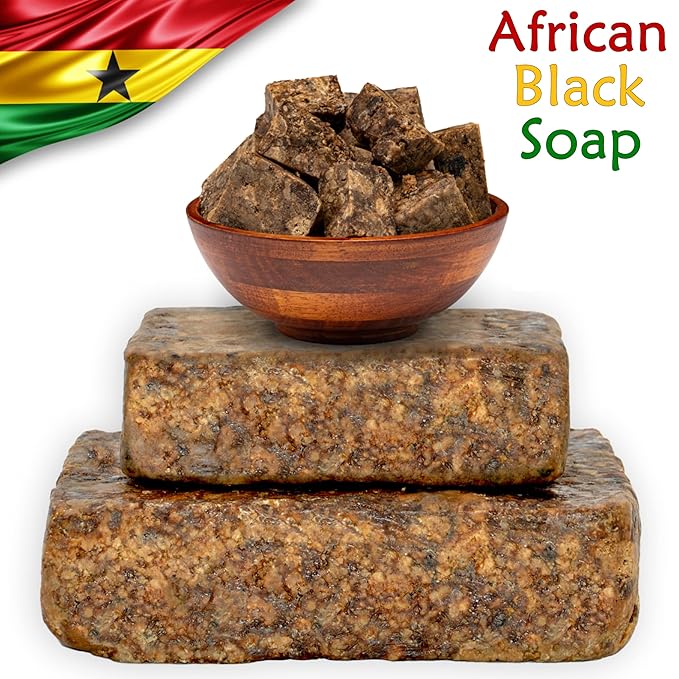
One of the most distinctive characteristics of authentic African black soap is its deliberately imperfect appearance. Unlike the uniform, artificially colored bars found in most stores, genuine Ghanaian soap displays a rich tapestry of colors ranging from deep chocolate brown to golden amber, sometimes with lighter patches of cream or white. This variation isn’t a flaw—it’s proof of authenticity.
The texture often contains small particles of plant material, creating a slightly rough feel that provides gentle exfoliation. Some areas might be softer than others, and the surface may appear mottled or uneven. These characteristics are not only normal but desirable, as they indicate that the soap has been made using traditional methods without the addition of artificial stabilizers, colorants, or smoothing agents that would create a more uniform appearance.
The all-natural composition means that no two bars are exactly alike, much like handcrafted pottery or artisanal bread. This uniqueness is part of the charm and authenticity that makes traditional African black soap so special in our increasingly homogenized world.
3. Why Has It Taken the World by Storm? The Ten Remarkable Benefits of African Black Soap
The global popularity of African black soap isn’t just a passing trend—it’s a testament to its genuine effectiveness across a wide spectrum of skincare needs. Scientific research has begun to validate what West African communities have known for centuries: this humble soap possesses remarkable therapeutic properties that rival many expensive skincare treatments.
Deep Cleansing and Gentle Exfoliation
The natural plant ash in black soap creates a mild alkaline environment that effectively removes dirt, excess oil, and dead skin cells without stripping the skin’s protective barrier. The subtle texture provides mechanical exfoliation, promoting cell turnover and revealing fresher, more radiant skin beneath.
Powerful Acne-Fighting Properties
African black soap for acne has become increasingly popular due to its natural antibacterial and anti-inflammatory compounds. The combination of coconut oil’s antimicrobial properties and shea butter’s soothing effects creates an ideal environment for healing breakouts while preventing new ones from forming.
Soothing Relief for Inflammatory Conditions
Many users report significant improvement in conditions like eczema and psoriasis when using African black soap regularly. The anti-inflammatory properties of ingredients like shea butter and plantain ash help calm irritated skin and reduce redness and itching.
Natural Moisturization
Unlike conventional soaps that can leave skin tight and dry, the high concentration of natural oils in black soap provides moisturizing benefits even while cleansing. Shea butter, in particular, is renowned for its ability to deeply hydrate and protect the skin barrier.
Evening Skin Tone and Reducing Dark Spots
Regular use of African black soap can help reduce dark spots and hyperpigmentation through gentle exfoliation and the vitamin content of its natural ingredients. The soap’s ability to promote healthy cell turnover gradually reveals more even-toned skin.
Anti-Aging Benefits
The antioxidants present in ingredients like cocoa butter and various plant extracts help protect against free radical damage, potentially slowing the signs of aging. The gentle exfoliation also helps improve skin texture and reduce the appearance of fine lines.
Suitable for Sensitive Skin
Despite its effectiveness, African black soap is remarkably gentle, making it suitable even for those with sensitive skin conditions. The absence of harsh chemicals and synthetic fragrances reduces the risk of allergic reactions.
Antibacterial Protection
The natural antimicrobial properties help maintain healthy skin flora while protecting against harmful bacteria that can cause infections or worsen existing skin conditions.
Versatile Hair Care
Beyond skincare, many people use African black soap as a natural shampoo, finding that it effectively cleanses the scalp while reducing dandruff and promoting healthier hair growth.
Eco-Friendly and Sustainable
Made entirely from biodegradable, plant-based ingredients, African black soap represents a sustainable skincare choice that aligns with environmentally conscious values.
4. Ingredient Breakdown: Nature’s Gift to Your Skin
Understanding the core components of African black soap helps explain its remarkable effectiveness and versatility. Each ingredient has been selected through centuries of trial and refinement, creating a synergistic blend that maximizes benefits while minimizing potential irritation.
Plant Ash (From Plantain Peels, Cocoa Pods, and Palm Kernels)
The foundation of black soap’s cleansing power comes from the carefully prepared ash of various plants. This natural source of potassium hydroxide creates the saponification necessary for soap formation while providing gentle exfoliation. The minerals present in these ashes—including potassium, magnesium, and trace elements—contribute to the soap’s skin-balancing properties.
Shea Butter in Black Soap
Perhaps the most celebrated ingredient, shea butter transforms this cleansing bar into a moisturizing treatment. Rich in vitamins A and E, as well as essential fatty acids, shea butter provides deep hydration while soothing inflammation. Its natural sun protection factor (SPF 3-4) offers mild protection against UV damage, and its anti-inflammatory compounds help calm irritated or damaged skin.
Coconut Oil
The inclusion of coconut oil black soap formulations provides powerful antimicrobial and antifungal properties, making it particularly effective against acne-causing bacteria. Coconut oil’s medium-chain fatty acids penetrate deeply into the skin, providing moisture while maintaining the soap’s cleansing efficacy. Its natural preservative qualities also help maintain the soap’s integrity over time.
Palm Oil and Cocoa Butter
These ingredients contribute to the soap’s moisturizing properties while adding stability to the formula. Palm oil provides vitamins A and E, powerful antioxidants that help protect skin from environmental damage. Cocoa butter adds rich moisture and contains natural compounds that may help improve skin elasticity and reduce the appearance of scars and stretch marks.
Traditional Additives
Many authentic formulations include additional natural ingredients like honey (for its antibacterial and humectant properties), aloe vera (for soothing and healing), oatmeal (for gentle exfoliation), or vitamin E oil (for antioxidant protection). These natural ingredients enhance the soap’s therapeutic properties without compromising its pure, chemical-free nature.
The beauty of these natural ingredients lies not just in their individual properties, but in how they work together to create a product that cleanses, moisturizes, heals, and protects simultaneously—something that typically requires multiple commercial products to achieve.
5. Mastering the Art of Use: Maximizing Benefits While Avoiding Common Mistakes
Proper application technique can mean the difference between experiencing African black soap’s full benefits and encountering unnecessary irritation. Like any potent natural remedy, it requires understanding and respect to achieve optimal results.
Facial Application: The Gentle Approach
When using black soap for face cleansing, the key principle is always “less is more.” Begin by creating a rich lather using either your hands or a soft-bristled brush or sponge. Never apply the solid soap directly to your face, as the texture can be too abrasive for delicate facial skin.
Work the soap between wet hands or with a foaming net until you achieve a creamy, substantial lather. Apply this foam to damp skin using gentle, circular motions, spending about 30-60 seconds massaging the cleanser into your skin. Pay particular attention to areas prone to congestion, such as the T-zone, but avoid aggressive scrubbing.
Rinse thoroughly with lukewarm water, ensuring no soap residue remains, as this can lead to dryness or irritation. Pat your skin dry with a clean towel—never rub vigorously—and immediately follow with a moisturizer appropriate for your skin type.
Establishing Your Black Soap Routine
For newcomers to African black soap, starting slowly is crucial. Begin with once-daily use, preferably in the evening, to allow your skin time to adjust to the soap’s active properties. Monitor your skin’s response for the first week, noting any changes in texture, hydration levels, or sensitivity.
If your skin tolerates the initial frequency well, you may gradually increase to twice daily use, though many people find that once daily is sufficient for maintaining healthy skin. Those with particularly sensitive or dry skin may benefit from every-other-day use, especially during harsh weather conditions.
Body and Hair Applications
For body use, African black soap can be applied more liberally, as body skin is generally less sensitive than facial skin. Create a lather with a washcloth or loofah, and use it as you would any other body soap. The natural moisturizing properties make it particularly beneficial for areas prone to dryness, such as elbows, knees, and heels.
When using as a shampoo, focus the lather on your scalp rather than the length of your hair. The cleansing properties are quite effective, so a small amount goes a long way. Follow with a natural conditioner if your hair tends to be dry, as the soap’s cleansing action can remove natural oils.
Post-Cleansing Care: The Essential Follow-Up
Perhaps the most critical aspect of using African black soap successfully is the post-cleansing care routine. Due to its effective cleansing properties, the soap can temporarily increase skin’s moisture needs. Always follow cleansing with a high-quality moisturizer, oil, or serum appropriate for your skin type.
For dry skin types, consider using a facial oil or rich cream immediately after cleansing while skin is still slightly damp. This helps lock in moisture and prevents the tight feeling that can occur with any effective cleanser. Those with oily skin might prefer a lighter, water-based moisturizer that won’t clog pores while still providing necessary hydration.