
Table of Contents
What Is “Black African Soap,” Really? (Origin, Names, and How It’s Made)
Black African soap, despite its name, isn’t necessarily black at all. The origins of African black soap are traced to the Yoruba People of Nigeria, where it has been crafted for centuries using traditional methods passed down through generations. This artisanal soap goes by various regional names including Anago, Alata, and Ose Dudu, reflecting its deep cultural roots across West African communities.
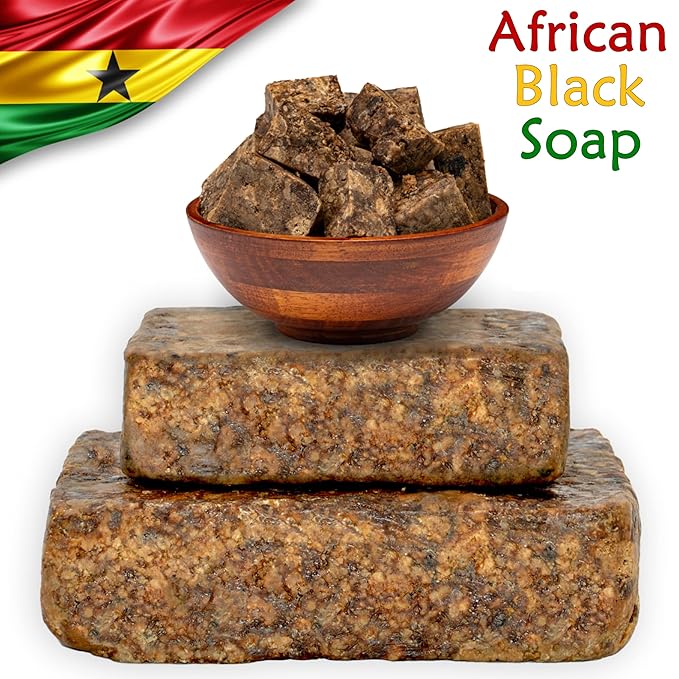
Traditional black soap is made from locally sourced plant materials including plantain peels, palm kernel oil, coconut oil, cocoa pod husks, and shea butter. The characteristic color comes from ash created by burning plantain skins and palm kernel hulls – the longer these materials are roasted, the darker the resulting soap becomes. However, authentic African black soap typically ranges from light brown to dark brown, rather than the jet-black color many people expect.
The texture of genuine black soap is notably uneven and rustic, with natural variations in color and consistency throughout each bar. This irregular appearance is actually a hallmark of authenticity, as it reflects the handmade, small-batch production methods used by traditional soap makers across Ghana, Nigeria, and other West African countries.
Proven & Potential Benefits (What Science and Doctors Say)
Antimicrobial & Deep-Cleansing Properties
Scientific research has validated several traditional claims about African black soap’s effectiveness. Studies have shown that the traditional black soap does have antimicrobial properties against Staphylococcal and some Streptococcal organisms, which are commonly seen in the tropical climate. Additionally, black soap has been found to have some antimicrobial properties against skin microbiota such as Staphylococcus aureus, Escherichia coli and Candida albicans.
This antimicrobial activity makes African black soap particularly effective for deep cleansing, as it can help control harmful bacteria on the skin’s surface while maintaining the skin’s natural protective barrier.
User-Reported Improvements
Black soap is characteristically known in these African cultures for its quality to improve uneven skin tone, razor bumps, and quality of skin. User surveys and ethnographic studies have documented consistent satisfaction with the soap’s ability to address various skin concerns, particularly among people with darker skin tones who have used it as part of their traditional skincare practices.
For Acne, Body Acne & Folliculitis
The antimicrobial properties documented in research make African black soap a valuable tool for acne management. African black soap has antibacterial properties which can help improve certain skin conditions, making it particularly useful for both facial acne and body breakouts, including back acne (bacne) and folliculitis.
For acne-prone skin, use the soap 2-3 times per week initially, gradually increasing frequency if well-tolerated. Always follow with a non-comedogenic moisturizer, as the soap’s cleansing power can be drying if not balanced with proper hydration.
For Hyperpigmentation & Texture
African black soap provides gentle exfoliation through its natural texture and plant-based ingredients, which can help improve skin texture and support the natural cell turnover process that addresses hyperpigmentation over time. While not a miracle cure for dark spots, consistent use combined with sun protection can contribute to more even-toned skin.
For Scalp/Dandruff
The soap also may help control dandruff caused by fungus, thanks to its antifungal properties. However, scalp use requires caution – the soap’s cleansing power can be too strong for some scalp types, potentially causing dryness or irritation. Those with sensitive scalps or chemically treated hair should patch test and consider diluting the soap before use.
Risks, Who Should Avoid It, and How to Patch-Test
Dryness, Irritation, Fragrance Sensitivities
The very properties that make African black soap effective – its deep cleansing and natural surfactants – can also make it too strong for some skin types. The soap can strip natural oils more aggressively than commercial cleansers, leading to dryness, tightness, or irritation, especially with daily use.
People with extremely sensitive skin, eczema, or severe dermatitis should exercise particular caution. While authentic African black soap typically doesn’t contain added fragrances, some people may react to the natural scent from plant materials or essential oils that some varieties contain.
pH/Sensitive Skin Considerations & Interaction Risks
African black soap typically has a higher pH than the skin’s natural acid mantle, which can be disruptive if overused. Those using active ingredients like retinoids, alpha-hydroxy acids (AHAs), or beta-hydroxy acids (BHAs) should avoid using African black soap on the same days, as the combination can lead to over-exfoliation and irritation.
Usage Frequency Recommendations by Skin Type:
-
Normal/Oily Skin: Start with 3-4 times per week, can increase to daily if well-tolerated
-
Combination Skin: 2-3 times per week, focus on oilier areas
-
Dry/Sensitive Skin: 1-2 times per week maximum, always follow with rich moisturizer
-
Mature Skin: 2-3 times per week, pair with anti-aging moisturizer
-
Acne-Prone Skin: Start with alternate days, adjust based on response
Always patch test by applying diluted soap to a small area of your inner forearm, waiting 24-48 hours, and watching for any redness, itching, or irritation before using on your face or body.
Real vs. Fake: A 60-Second Visual Checklist
Color & Texture
Authentic African black soap is never truly black. Real African Black Soap is always brownish-black. The longer the plantain skins are roasted the darker the soap. But the soap is never completely black. Brown colour (light to dark) is actually a sign of authenticity. Jet black soap is more likely to be fake.
Authentic soap characteristics:
-
Color ranges from light tan to dark brown
-
Uneven, rustic texture with natural variations
-
May have visible plant matter or ash specks
-
Soft to medium firmness, not rock-hard
Red flags for fake soap:
-
Uniform jet-black color
-
Perfectly smooth, polished surface
-
Unnaturally hard texture
-
Strong artificial fragrance
INCI/Ingredients Red Flags
Non-authentic black soaps have unnatural black dyes that aim to intensify the black colour. These black dyes can cause several skin issues. When reading ingredient lists, watch for:
Red flags:
-
Artificial colorants (FD&C Black No. 1, Carbon Black)
-
Synthetic fragrances
-
Long lists of chemical preservatives
-
Lack of traditional ingredients (plantain ash, palm oil, shea butter)
Labels to Look For
Look for products labelled Fair Trade. The artisans (mostly women) who craft soap typically live in West African communities, and Fair Trade certification helps ensure they receive fair compensation. Other positive indicators include:
-
Country of origin clearly stated (Ghana, Nigeria, etc.)
-
Women’s cooperative or artisan group names
-
Minimal, simple ingredient lists
-
Organic or sustainably sourced certifications
How to Use Black African Soap (Face, Body & Scalp)
Face
Step-by-step process:
-
Wet hands and create a lather with a small piece of soap
-
Apply lather to damp face using gentle circular motions
-
Leave on for 30-60 seconds maximum
-
Rinse thoroughly with lukewarm water
-
Immediately follow with moisturizer – this step is crucial
For dry or sensitive skin, limit use to 2-3 times per week. Those with normal to oily skin can work up to daily use if no irritation occurs.
Body/Back Acne
Use a mesh body pouf or washcloth to create rich lather, focusing on areas prone to breakouts like chest, back, and shoulders. The soap’s antimicrobial properties make it particularly effective for body acne, but always follow with a lightweight, non-comedogenic body moisturizer to prevent over-drying.
Scalp
Diluted method (recommended for first use):
-
Break off a small piece and dissolve in warm water
-
Apply the soapy water to wet scalp, avoiding lengths of hair
-
Massage gently for 1-2 minutes
-
Rinse thoroughly – this is critical to prevent buildup
-
Follow with conditioner on hair lengths only
Monitor your scalp’s response and adjust frequency accordingly. Some people find weekly use beneficial for dandruff control, while others may need less frequent application.
What Not to Mix
Never use African black soap on the same day as:
-
Chemical exfoliants (glycolic acid, salicylic acid)
-
Retinoids or retinol products
-
Physical scrubs or exfoliating brushes
-
Other strong cleansers
Always use broad-spectrum sunscreen during the day, as the soap’s exfoliating properties can increase photosensitivity.
Bar vs. Liquid vs. Paste: Which One Should You Buy?
-
Traditional Bar Form:
-
Longest-lasting and most economical
-
Most authentic texture and experience
-
Requires proper storage to prevent melting
-
Can be broken into smaller pieces for controlled use
-
-
Liquid African Black Soap:
-
More convenient for daily use
-
Often diluted, so gentler but less potent
-
May contain additional preservatives
-
Good for those who prefer pump dispensers
-
-
Paste/Soft Form:
-
Maintains more traditional consistency
-
Easier to create lather than hard bars
-
Often comes in smaller quantities for testing
-
May have shorter shelf life
-
First-time user tip: Start with a small bar or paste version from a reputable source specializing in authentic African products. This allows you to test compatibility without significant investment.
Top Use-Cases in the U.S. Market (Match Your Routine to Your Goal)
Acne-Prone Skin
Incorporate African black soap 3-4 times per week as your evening cleanser, alternating with a gentle, non-foaming cleanser on other days. The antimicrobial properties help control breakout-causing bacteria while the natural exfoliation prevents pore congestion.
Keratosis Pilaris/Ingrown Hairs
The gentle exfoliating action makes African black soap helpful for “chicken skin” on arms and legs, as well as preventing ingrown hairs from shaving. Use 2-3 times per week on affected areas, always following with a moisturizer containing urea or lactic acid for enhanced results.
Post-Workout & Oily Skin
For active individuals or those with naturally oily skin, African black soap provides thorough cleansing without over-stripping. Use after workouts to remove sweat, bacteria, and excess sebum while maintaining skin balance.
Scalp Build-Up/Dandruff
Some research suggests African black soap may help control skin fungus, including a yeast called Candida albicans, making it potentially beneficial for fungal dandruff. However, those with colored or chemically treated hair should use with caution, as the soap can be clarifying to the point of stripping color or moisture.
FAQs (People-Also-Ask Style)
Is black African soap safe for sensitive skin? Yes, but with modifications. Authentic African black soap is all natural and will not contain dyes or fragrances, making it gentler than many commercial products. However, sensitive skin types should start with once or twice weekly use and always follow with a rich moisturizer.
Can it fade dark spots? African black soap can support the fading process through gentle exfoliation and improved cell turnover, but it works best as part of a comprehensive approach including consistent sunscreen use and patience – hyperpigmentation typically takes months to improve significantly.
Is it okay for daily use? Most people with normal to oily skin can work up to daily use, but dry or sensitive skin types should limit use to 2-3 times per week initially. Listen to your skin and adjust frequency based on how it responds.
Can I use it on hair? Yes, but start conservatively. Use diluted soap for short contact time (1-2 minutes) and always follow with conditioner. Those with chemically treated or very dry hair should use monthly at most, if at all.
How do I know it’s authentic? The real deal is not black, boasts an earthy aroma, and features an unrefined texture. Look for Fair Trade labels, simple ingredient lists featuring traditional components, and brown rather than black coloring.
Buying Guide (U.S.): Labels, Price-Per-Use & Where to Shop
When shopping for authentic African black soap in the U.S., prioritize retailers that specialize in natural or African products and can provide information about sourcing. Calculate price per use rather than just upfront cost – a $8 bar that lasts three months offers better value than a $4 bar lasting one month.
Where to find authentic options:
-
Health food stores with extensive natural sections
-
Beauty supply stores specializing in textured hair care
-
Online retailers with detailed sourcing information
-
African markets or cultural centers
-
Direct from cooperatives or Fair Trade organizations
Look for brands that provide transparency about their supply chain and support women’s cooperatives in West Africa. Companies like SheaMoisture and Alaffia have brought African black soap to mainstream retailers while maintaining authenticity standards.
Editor’s Safe-Start Routine (Template)
For Normal/Oily Skin:
-
Week 1-2: Use every other evening, followed immediately by gentle moisturizer
-
Week 3-4: If no irritation, increase to daily evening use
-
Always apply SPF 30+ sunscreen during the day
-
Monitor skin response and adjust as needed
For Dry/Sensitive Skin:
-
Week 1-4: Limit to 2 times per week maximum
-
Always use lukewarm water and rich, fragrance-free moisturizer
-
Avoid use on same days as any active skincare ingredients
-
Consider diluting soap if still too drying
For Scalp Use:
-
Week 1: One diluted application, observe response for full week
-
Week 2-4: If no irritation, continue weekly or bi-weekly as needed
-
Always use conditioner afterwards and rinse thoroughly
-
Discontinue if any scalp irritation or excessive dryness occurs
Remember: authentic African black soap is a potent cleanser with centuries of traditional use behind it. Start slowly, listen to your skin, and don’t hesitate to adjust your routine based on how your skin responds. The key to success lies in finding the right frequency and follow-up care for your individual skin type.
References & Further Reading
-
Cleveland Clinic. “Benefits of Using African Black Soap.” October 17, 2022.
-
PMC – Discovering Black Soap: A Survey on the Attitudes and Practices of Black Soap Users
-
PubMed – “African black soap: Physiochemical, phytochemical properties, and uses”
-
Wikipedia – “African black soap”
-
Medical News Today – “African black soap: 15 benefits”
-
African Fair Trade Society – “Looking for an Authentic African Black Soap? 4 Useful Tips to Identify!”
-
Zawadi Naturals – “Unveiling Authenticity: How to Identify Real African Black Soap”

