
Table of Contents
Introduction: The Modern Revival of Ancient Wisdom
For over a thousand years, the women of West Africa have crafted a remarkable skincare treasure using traditional recipes passed down through generations. African black soap, known locally as “ose dudu” in Yoruba or “sabulun salo” in Hausa, represents one of humanity’s oldest and most effective natural cleansing traditions.
Today, this ancient West African formulation has captured the attention of modern skincare enthusiasts worldwide. In an era where consumers increasingly seek natural, environmentally friendly, and multi-functional beauty products, African black soap stands out as a genuine alternative to chemical-laden commercial soaps. Its appeal lies not only in its natural origins but also in its remarkable versatility—capable of cleansing, moisturizing, and treating various skin conditions all in one product.
This comprehensive guide will explore the profound benefits of African black soap, teach you how to use it effectively, and provide expert tips for selecting authentic products that deliver real results.
What is African Black Soap?
Traditional Crafting Process
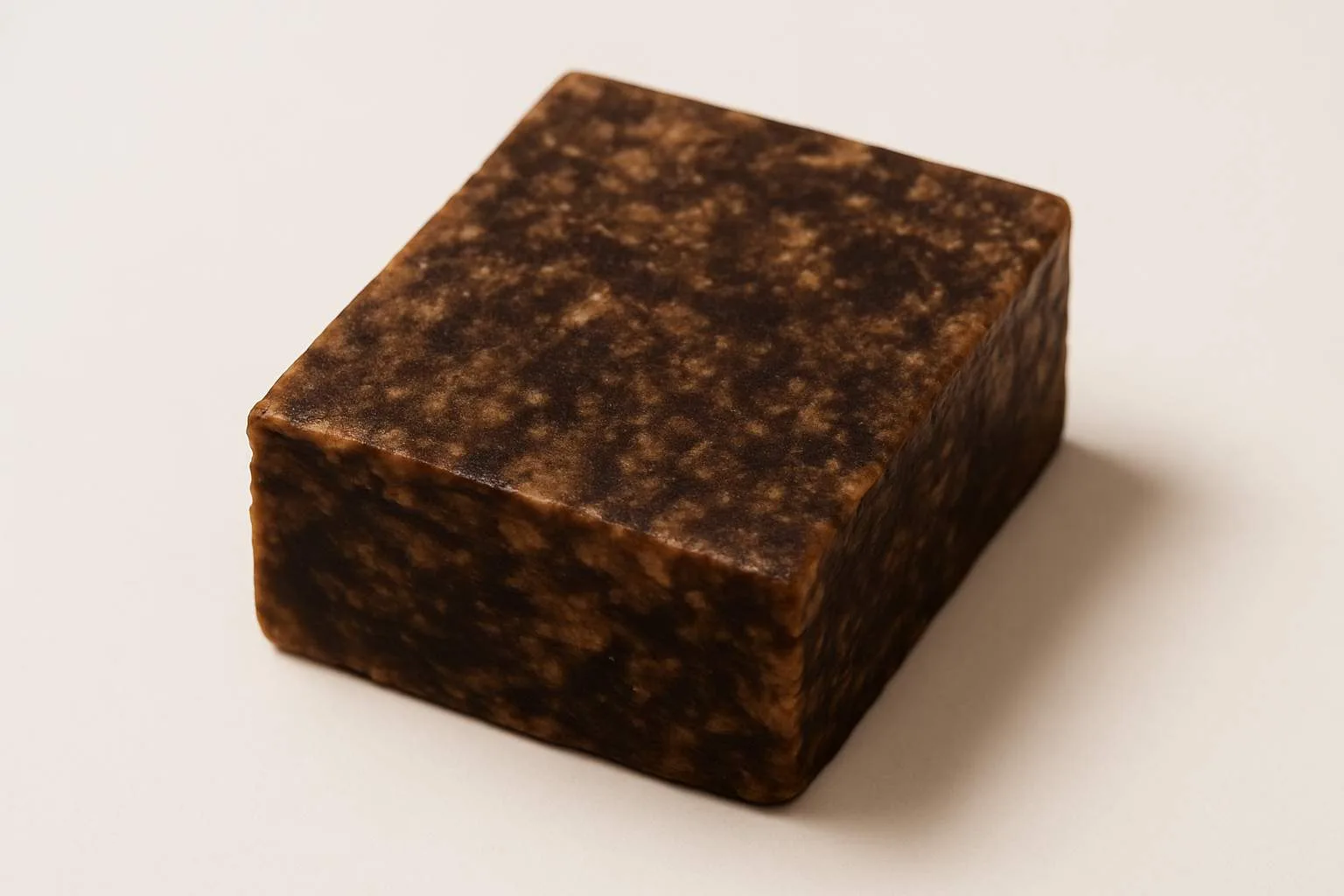
Authentic African black soap is the result of a time-honored artisanal process that transforms simple plant materials into a powerful skincare solution. The traditional method begins with collecting and burning plantain peels, cocoa pod ash, palm kernel oil, and shea tree bark. These organic materials are carefully burned to create a nutrient-rich ash, which forms the alkaline base necessary for saponification.
The ash is then mixed with various plant oils and butters, including unrefined shea butter, palm oil, coconut oil, and sometimes palm kernel oil. This mixture is hand-stirred for hours until it reaches the proper consistency and color—a process that can take an entire day to complete properly.
Core Ingredient Analysis
Shea Butter: Often considered the crown jewel of African black soap, shea butter serves as a powerful moisturizing agent. Rich in fatty acids and vitamins A and E, it helps soften skin, improve its appearance, and reduce the visibility of fine lines and dark spots. Its anti-inflammatory properties make it particularly beneficial for sensitive skin conditions.
Honey: This natural antibacterial ingredient brings potent antioxidant properties to the soap. Honey’s ability to treat acne and eczema while providing gentle moisture makes it an invaluable component in the traditional formulation.
Palm Oil: Packed with antioxidants and vitamin E, palm oil contributes to the soap’s ability to treat acne and eczema while providing essential nutrients to the skin.
Aloe Vera: Known for its antibacterial and anti-inflammatory properties, aloe vera adds an extra layer of skin-soothing moisture and helps treat various skin problems naturally.
The Difference from Commercial Soaps
What truly sets African black soap apart from conventional soaps is what it doesn’t contain. Unlike commercial products laden with synthetic dyes, artificial fragrances, sulfates, and other potentially irritating chemicals, authentic African black soap is completely natural. This absence of harsh synthetic ingredients makes it suitable for even the most sensitive skin types.
The 12 Scientific Benefits of African Black Soap
1. Suitable for Most Skin Types
The gentle, natural formulation of African black soap makes it compatible with virtually all skin types. Its lack of harsh synthetic chemicals or artificial fragrances makes it particularly friendly to sensitive skin and those prone to allergic reactions.
2. Powerful Antibacterial Properties
Scientific studies have demonstrated African black soap’s remarkable ability to eliminate harmful bacteria, including Staphylococcus aureus and E. coli. This antibacterial action helps prevent skin infections and maintains overall skin health.
3. Reduces Acne and Blemishes
The soap’s combined antibacterial and anti-inflammatory properties work together to keep skin clean and clear. By eliminating acne-causing bacteria while soothing inflammation, it provides a natural solution for problematic skin.
4. Helps Reduce Fine Lines and Wrinkles
The antioxidant properties of ingredients like shea butter and palm oil help combat free radicals that contribute to premature aging. Regular use can help prevent skin damage and reduce the appearance of fine lines and wrinkles.
5. Reduces Dark Spots and Hyperpigmentation
Consistent use of African black soap can significantly reduce areas of hyperpigmentation. The natural exfoliating properties help remove dead skin cells while the nourishing oils promote healthy cell turnover.
6. Reduces Razor Bumps
The anti-inflammatory properties of African black soap make it excellent for soothing razor-damaged skin. Using it as a pre-shave cleanser can help prepare the skin and reduce post-shave irritation.
7. Effectively Removes Makeup Residue
African black soap effectively cleanses away makeup residue, oils, and debris while remaining gentle on the skin. Unlike harsh makeup removers, it cleanses thoroughly without stripping the skin of its natural moisture barrier.
8. Antifungal Properties
Research suggests that African black soap may help prevent the spread of fungal infections, including Candida albicans and athlete’s foot. This makes it particularly valuable for those prone to fungal skin conditions.
9. Excellent Moisturizing Effects
Thanks to its high concentration of shea butter and natural oils, African black soap provides excellent moisturization. Unlike many commercial soaps that leave skin feeling tight and dry, it leaves skin soft and hydrated.
10. Soothes Skin Irritation
The antioxidant and anti-inflammatory properties help alleviate the itching and discomfort associated with skin conditions like eczema and psoriasis. While not a cure, it can provide significant relief for chronic skin conditions.
11. Prevents Oil Buildup
African black soap helps deep-clean pores and prevent oil buildup without over-drying the skin. This balance is crucial for maintaining healthy skin that’s neither too oily nor too dry.
12. Natural Exfoliation and Cleansing
The natural texture of authentic African black soap provides gentle exfoliation, helping skin appear brighter, fresher, and smoother by removing dead skin cells and promoting healthy cell turnover.
How to Use African Black Soap for Best Results
For Facial Cleansing
Step-by-step:
-
Wet your face with warm water.
-
Create a lather by rubbing the soap between your palms with a small amount of water.
-
Gently massage the lather onto your face using circular motions, avoiding the delicate eye area.
-
Rinse thoroughly with warm water.
-
Gently pat your skin dry with a clean towel.
Pro Tip: Add a teaspoon of raw honey to the lather before applying to your face to amplify antibacterial and moisturizing benefits.
For Body Use
Use directly on the body during your shower or bath. Prefer liquid? Create your own by cutting the bar into small pieces and dissolving them in warm water until you reach your desired consistency.
For Hair and Scalp
Work the lather through wet hair, massage into the scalp, and rinse thoroughly. It can help remove dandruff while leaving hair softer and healthier-looking.
Important Usage Notes
-
Be gentle: Avoid vigorous rubbing or scrubbing.
-
Age restrictions: Do not use around the eye area or on children under three years of age.
-
Moisturize if needed: If you have dry skin, apply a moisturizer or facial oil immediately after use. You can also add a few drops of almond or argan oil to the lather to maintain moisture.
Buying Guide: How to Choose Authentic African Black Soap
Identifying Authentic Products
-
Check the ingredient list: Look for natural oils (e.g., shea butter, palm oil) and plant ashes (e.g., plantain peel ash, cocoa pod ash). Be wary of long lists of chemicals.
-
Beware of suspiciously cheap products: Genuine soap requires labor-intensive traditional methods; unusually low prices can indicate dilution or inauthenticity.
Recommended Brands and Purchase Channels
Seek reputable brands specializing in authentic African skincare. Buy via official brand websites, trusted health product stores, or established cross-border e-commerce platforms that verify sellers. Prefer brands that share sourcing and manufacturing details or work directly with West African cooperatives.
Storage Recommendations
-
Proper environment: Store in a cool, dry place away from direct sunlight and humidity. A thin white film from air exposure is normal and harmless.
-
Optimal method: Cut the bar into smaller pieces and wrap each tightly in plastic wrap to prevent breakdown and extend its life.
Potential Side Effects and Precautions
Possible Side Effects
Generally safe for most, but a small percentage may experience mild irritation or redness during the first uses as skin adjusts.
Pre-Use Testing
Perform a patch test on the inner arm: apply a small amount of lathered soap and wait 24 hours to check for adverse reactions.
Suitable and Unsuitable Users
Suitable for most skin types, including sensitive skin. Not recommended for children under three years old or individuals with known allergies to any listed ingredients.
Frequently Asked Questions (FAQ)
Can I use African black soap daily?
Yes—most skin types tolerate once or twice daily use. If dryness or irritation occurs, reduce frequency until your skin adjusts.
Will African black soap dry out my skin?
Typically no, due to moisturizing ingredients like shea butter. If you have very dry skin, always follow with a good moisturizer.
Is African black soap effective for acne scars?
It can help by promoting skin cell regeneration and gentle exfoliation, which may reduce the appearance of scars over time.
Should I choose bar or liquid African black soap?
Personal preference. Bars are usually more pure and concentrated; liquids offer convenience. You can also DIY a liquid by dissolving bar soap in warm water.
How long does it take to see results?
Many notice improved texture and clarity within 2–4 weeks. Dark spots or acne scars may take 6–8 weeks or longer.
Can I use African black soap if I have sensitive skin?
Generally yes. Always patch test first and start with lower frequency to allow your skin to adjust.
Conclusion: Embracing the Natural Skincare Journey
African black soap represents far more than just a cleansing product—it embodies an ancient wisdom that combines the powerful forces of natural ingredients with deep care for skin health. Its remarkable versatility, serving both skincare and hair care needs, and its broad benefits—from antibacterial action to anti-aging properties—make it an ideal choice for a healthy, sustainable lifestyle.
The natural character of African black soap aligns with the clean beauty movement and environmental consciousness. Choosing authentic products supports your skin and the traditional communities preserving these time-honored practices.
As you begin your journey, be patient. Give your skin time to adjust and experience the transformation this remarkable natural product can offer. This may be the start of a deeper connection between nature and your routine—a return to simple, profound wisdom that has nurtured radiant skin for over a thousand years.
Whether you’re addressing specific concerns or seeking a more natural approach, African black soap offers a time-tested solution that honors both tradition and effectiveness. Embrace this ancient treasure and discover how West African skincare wisdom can elevate your modern beauty routine.
